You don’t have to become cold to stop abandoning yourself
The kindest “no” I ever heard changed the way I see boundaries and helped me to heal my inability to say "no"
About eight years ago I was having coffee with a couple friends and I perked up when one asked the other to attend something with her and the other friend said no. The “no” wasn’t rude. It didn’t come with smart-ass commentary.
Quite the contrary.
It was respectful. Thoughtful. I’m not one to remember word-for-word but it was something like a “thanks so much for considering me” and a brief “I’m swamped though so it’s a no for me” – or something like that.
Old me’s flabbers where ghasted at the simplicity of it and the kindness. That “no” didn’t cause tension or rupture in the relationship.
I grew up around plenty of kind people. The Deep South. Southern Hospitality and all. And what that looked like in reality was this: “no” was something that was usually rude or usually came in an outburst or uproar. It was something that disrupted order. That caused rifts and family feuds. It ostracized you.
“No” was something that you just couldn’t say.
Because it was considered unkind. Unhospitable (if you will).
I watched as the women in my family and community bent over backwards, always obliging, always finding a way. Never daring to be the disruptor who said “no.” I saw the secret resentment behind the scenes. The vows to never do it again. The complaints of unfairness. But the answer was still: “Yes, of course! No problem.”
And at some point that kind of “yes” veneer does erode at your mental health. That’s where the outburst, mean, rude, screaming “no!” appears. It’s literally when the person just can’t take it anymore.
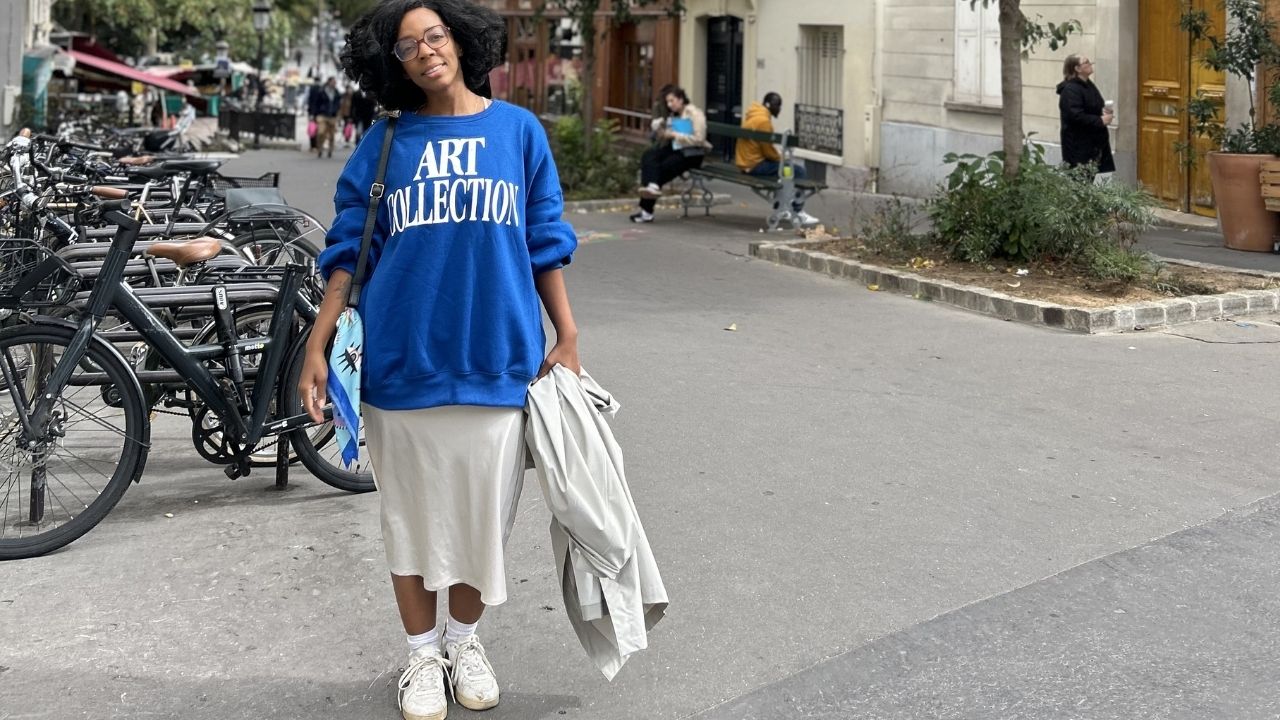 I grew up conditioned to say a kind "yes" instead of a real "no."
So this is what boundaries looked like to me for most of my life. Basically just don’t have any so that you can appear kind and supportive.
I get where this comes from, I truly do. Do you know what type of black people togetherness had to go down in the Deep South of the U.S.A. in order for them to survive??? Individual needs and limits become background noise to a bigger goal of protecting the community as a whole.
And as we can see the renewed and refreshed white supremacy actions taking place across the South right now, this type of group survival tactic is still relevant and necessary today.
The “No” That Changed Me
As you can imagine, as a caring and sensitive person, I just didn’t know how to frikin’ say “no.” The whole “no is a full sentence” thing just never resonated with me. If you grew up fawning and people-pleasing, there’s no way for the nervous system to feel safe switching up to a single-sentence “no” all of a sudden. That’s just not realistic.
My MO before seeing that example of a kind, non-rupturing “no” was say “yes” and then either flake out at the last minute or stick with the commitment even though I was too busy or too exhausted. As you can imagine, this caused plenty of relational strain.
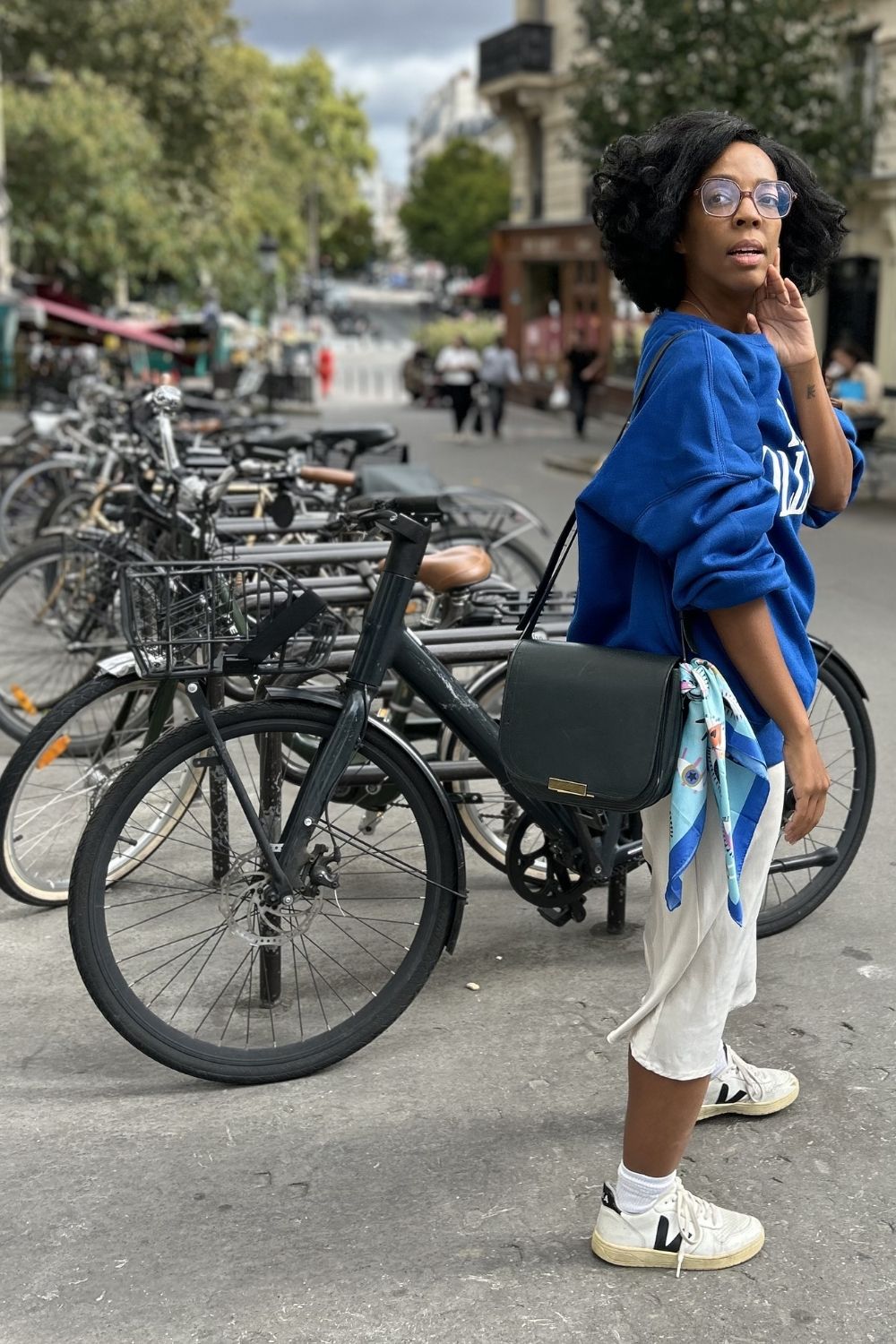 Still a work in progress TBH
But once I heard that intentional, well-communicated “no,” I set out to learn everything I could about boundaries. I googled. I downloaded pdfs, I watched videos. I studied parts of the nervous system. My ADHD rabbit hole tendency went wild. I wanted the abiity to protect my limits without continuously jeopardizing my friendships!
And honey, I started testing out that kind “no.” I was scared as f*ck. Like “what do you mean I’m about to not say yes???? How does that work out?”
The world didn’t come to an end. My friendships didn’t come to an end. I realized I could be kind and caring without manipulating myself or my friends to believe I could do something I actually couldn’t.
I didn’t actually have to say “yes” so much that my “no” ended up being a nasty angry meltdown situation. “No” didn’t actually have to be a curt and isolating one-word response.
Boundaries vs. Demands
One thing that I learned when I was researching my booty off about boundaries was the difference between a boundary request and a demand. It’s something I teach to my 1:1 clients all the time.
A boundary request looks something like “could you turn the music down so I can study?” Whereas a demand is more like “if you don’t turn the music down right now, I’m going to break the speaker!”
See the difference? Too many of us are out here thinking that the latter is communicating a boundary when it’s actually communicating that they are willing to end the relationship to protect the boundary. Demands are something you use in situations where your safety is threatened, not in healthy relationships you want to continue to remain that way.
And that’s where the “no is a complete sentence” thing gets me. Sure, for a stranger on the street, a single “no” is what’s up. But for my mom? My best friend? In order for the relationship to continue healthily, there’s nothing wrong with adding a lil’ “I’m not up to it today.”
Before you think it—over-explaining is absolutely a no-no. It’ll get you back to the overextended “yes” in a heartbeat. Lol. But a little “I can pray on it but that’s all I have today” or “let me check my schedule and I’ll let you know” will do wonders to communicate that hey: “we’re all good, I still love you but I just don’t have the spoons.”
There’s a space between the harsh “no” and the auto-yes that needs to be explored. It’s a bridge between people pleasing and healthy boundaries.
I explore that space in the Good Girl Glitch workshop. We go deep into the societal background of all this and then I provide somatic cues and a formula to use so you’ll be able to stay in your body and relate your limits without losing your humanity or jeopardizing your relationships.
Inside The Good Girl Glitch, we’ll cover:
★ why “just say no” advice often fails in close relationships
★ the hidden conditioning that confuses care with overextension
★ the 3 relational boundary positions many people unconsciously switch between
★ how to respond from relational integrity instead of guilt or collapse
★ a 15-second relational reset for emotionally loaded moments
★ your own personalized Care + Scope statement
Bonuses + Support:
✓ Private Podcast: Inside the Boundary Studio
✓ a surprise bonus landing in your inbox after you sign up
✓ dedicated GGG community space for questions, support, and awkward-but-brave boundary attempts
If you say “it’s fine” out loud while your jaw is locked and your stomach is in knots, go ahead and sign up for the Good Girl Glitch now.
yeah… this belongs on your board
Stay connected with news and updates!
Join the mailing list to receive the latest news and updates from the Soft Sundae studio.
Don't worry, your information will not be shared.
I'm not a SPAM fan! I'll never sell your information, for any reason.

Hey, it's...